The Small Thing You Kept Doing Anyway
People rebuilding a life almost never point to a decision. They point to one ordinary habit they never let go of.

Ask someone who has come out the other side of a very bad period what got them through, and they rarely produce a turning point. What they produce is a habit.
They kept swimming on Tuesdays. They kept going to the allotment. They carried on cooking properly for one person, at a table, rather than standing up. They kept a five-a-side game they were now too old and too sad to enjoy, and went anyway, for two years, badly.
None of these are solutions to anything. Nobody recovered from a divorce because of an allotment. And yet the pattern is so consistent that it is worth taking seriously as a mechanism rather than a charming detail.
Part of it is structure. A week with one fixed point in it is a different object from a week with none. The fixed point does not need to be therapeutic; it needs to be on a specific day, involve leaving the house, and be difficult to cancel without somebody noticing.
Part of it is identity, which matters more than people expect. During a period when most of what you would use to describe yourself has been taken away — a marriage, a job, a house — a habit is one of the last remaining true sentences about who you are. I swim on Tuesdays is a small thing to be able to say and it is enormous when the alternative list is empty.
And part of it is witnesses. The people at the pool are not friends and will never be. They are something arguably more useful in that period: a set of people who would notice an absence but will not ask about it. Nobody at five-a-side wants to discuss your marriage. They want you in goal. For a lot of people that is exactly the right ratio of contact.
The practical implication runs the other way, and it is the reason this is worth saying at all. In a bad period, the habit is the first thing to go, because it is the only item on the list that nobody else is depending on. It looks like the obvious economy. It is nearly always the wrong one.
If you are in that period now, the useful question is not what would help. It is smaller and more answerable: what is the one thing I have stopped doing that I used to do every week, and what would it take to do it once, badly, this week.
More in Second Chances
 Second Chances
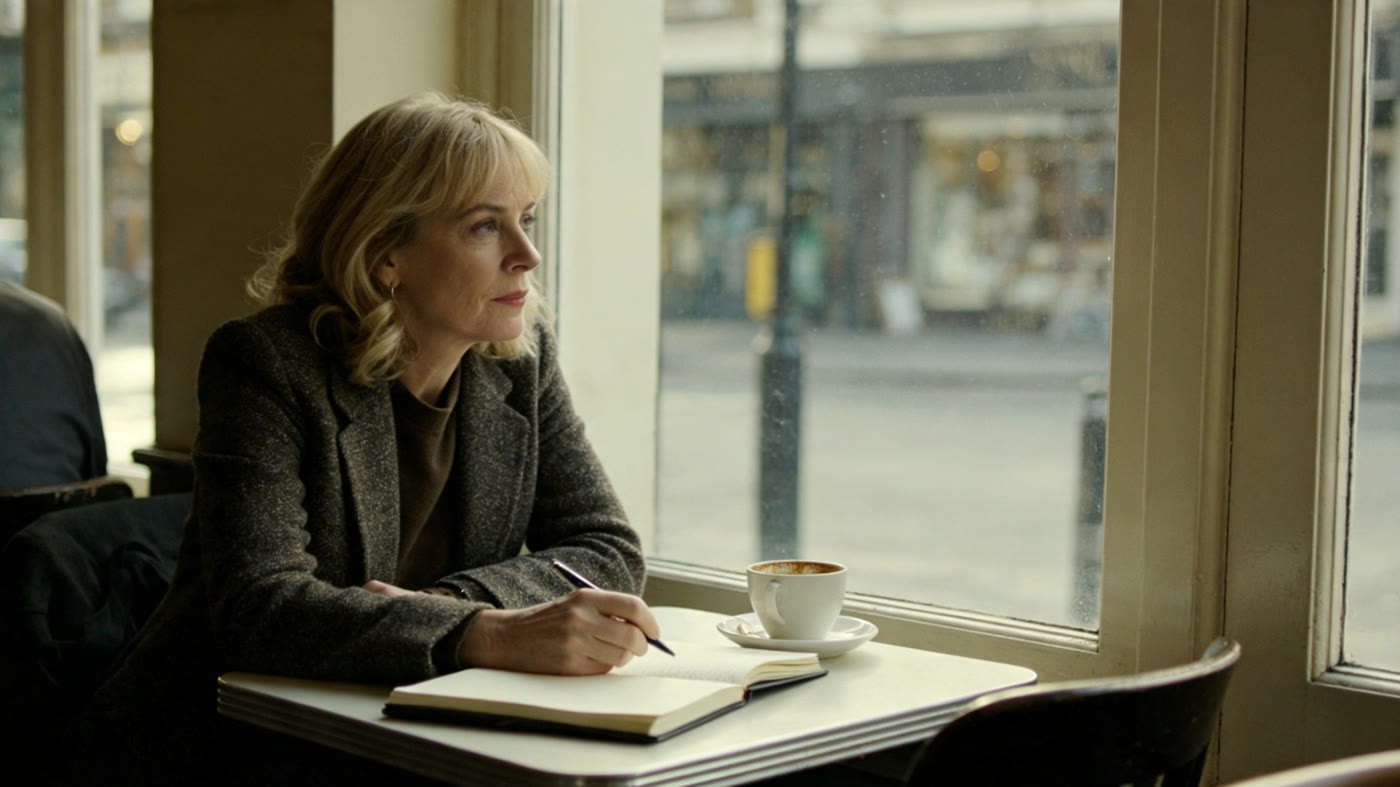
Starting Again at Fifty Is Not Starting From Zero
The arithmetic people do about late restarts is almost always wrong, because they count the years and forget to count what is already built.
 Second Chances
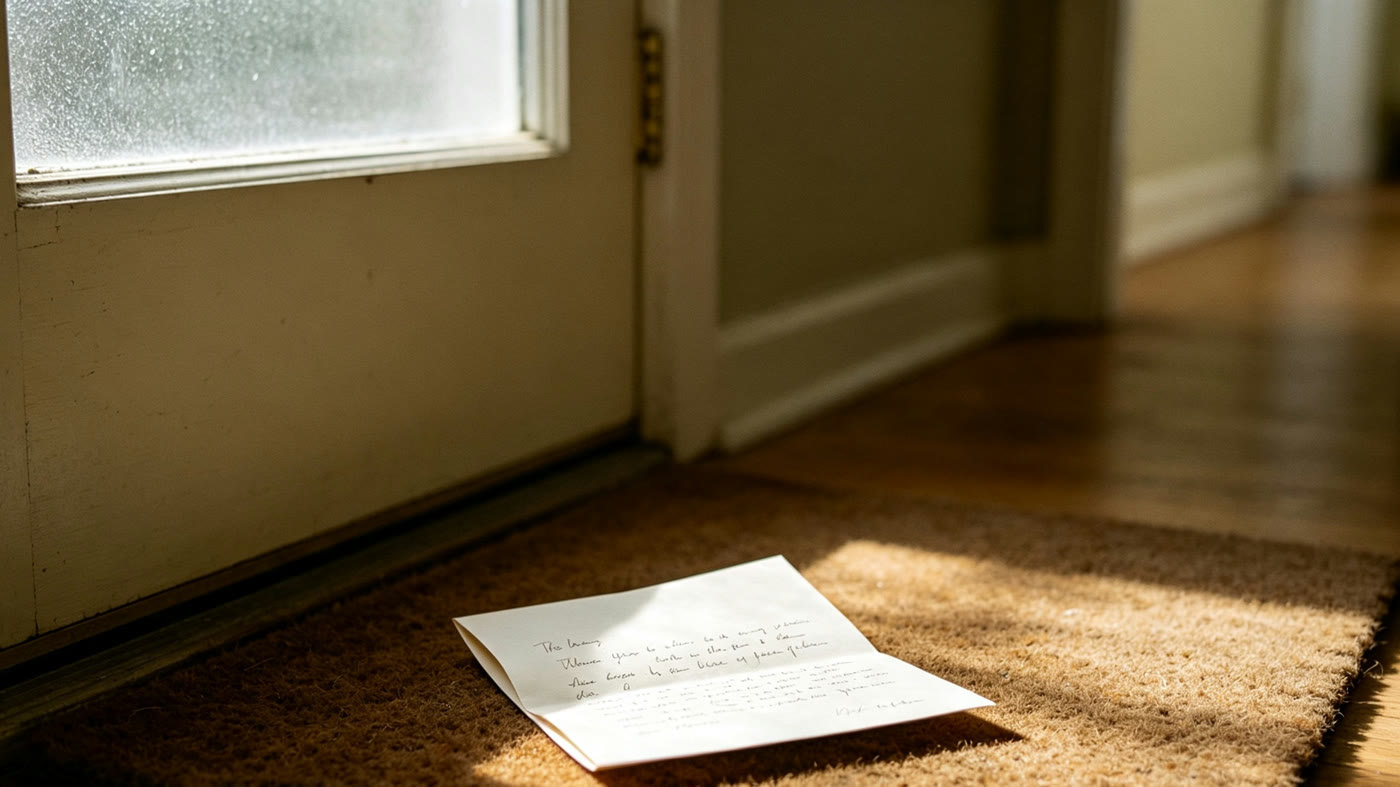
The Apology That Arrives Twenty Years Late
A late apology is a strange gift. It is often given for the wrong reason, and received in a state the giver has not imagined.
 Second Chances
Leaving the Job You Were Never Good At
Some people spend a decade being mediocre at something they were never suited to, and mistake the mismatch for a verdict on themselves.