The Thing People Cannot Afford to Say Out Loud
Admitting you are short of money costs more socially than being short of money costs financially, which is why so many people keep going.
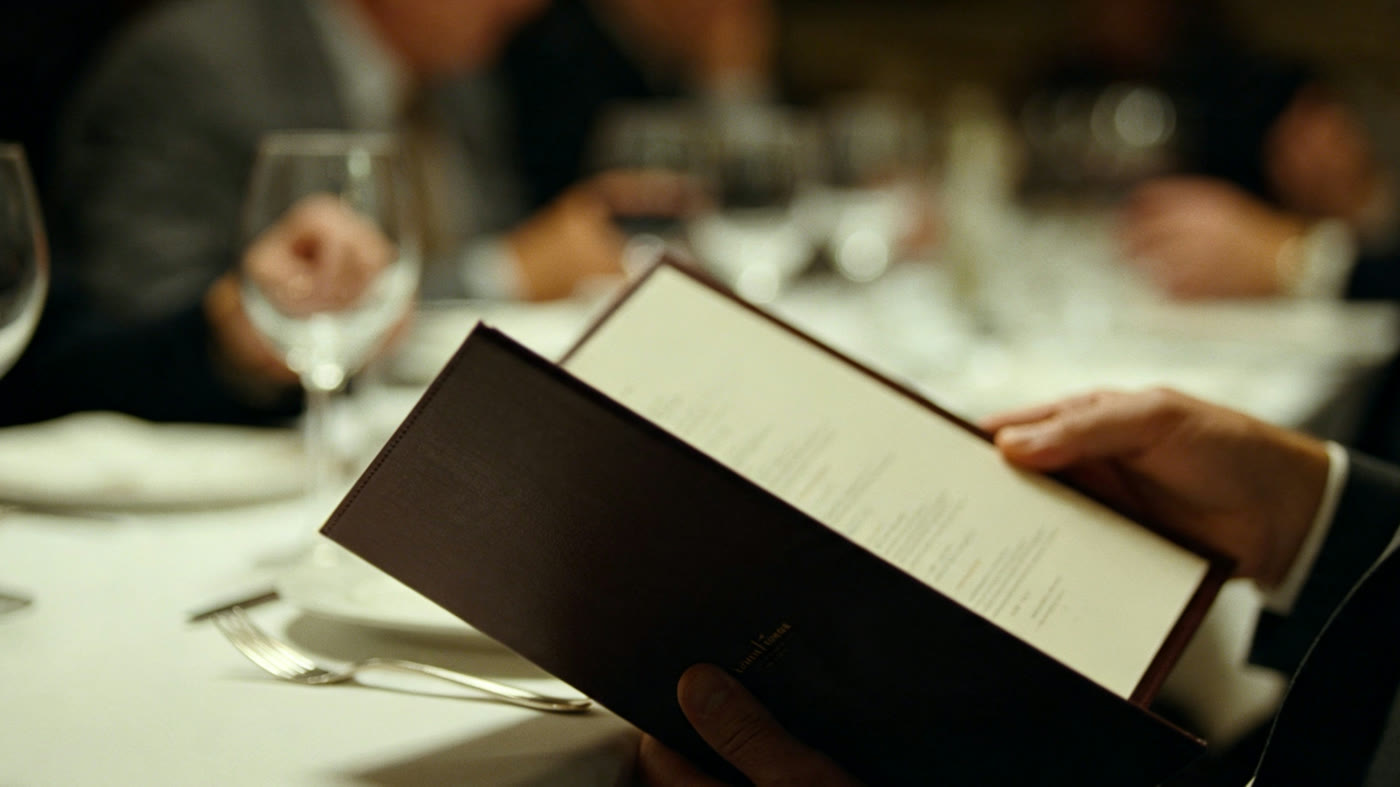
There is a moment, familiar to a lot of people, where a group is deciding on a restaurant and one person can see the number forming and knows they cannot say it.
The sum in question is usually small. Forty pounds. Sixty. Not an amount that changes a life. What makes it impossible is not the money; it is what saying so would announce, to people who will remember it.
This is the part that outsiders consistently underestimate about being short of money. The financial cost of the evening is bounded. The social cost of declining it is not. Say I can't afford that once and you become, in that group, the person who can't afford things — a status that attaches quickly and comes off slowly, and which alters how you are spoken to about holidays, weddings, and gifts for years.
So people go. They put it on a card. The gap widens slightly, and the reason it widened is that admitting it was expensive in a currency nobody itemizes.
Families run the same mechanism, only worse, because families keep records. A relative who once said they were struggling will find it referenced a decade later in an argument about something else. That memory works as a tax on honesty: every future admission is priced with the knowledge that it will be stored and may be produced.
The people who are best at handling this in a group are rarely the ones who ask directly. Asking someone if they can afford something puts them on the spot in exactly the way they were avoiding. What works is structural: proposing the cheaper option first, so that it is the default and not a concession. Suggesting the place where a main is twelve pounds, not asking whether twelve pounds would help.
Within families, the equivalent move is making the offer specific and unremarkable. Not do you need money, which requires an admission to accept. Rather: I've put the fifty in your account for the school trip, don't think about it. One of those sentences requires the other person to confess. The other does not, and it is the reason some people are easy to be helped by and others, however generous, are not.
None of this touches the underlying problem, which is that things cost more than people have. It touches something adjacent and worth touching: whether being short has to be humiliating on top of being hard.
More in Money
 Money
MoneyWhat It Costs a Family to Never Discuss Money
Silence about money feels like good manners. It is usually just a decision to let the least informed person find out last.
 Money
MoneyOn Being the One Everyone Borrows From
Every extended family has one, and the role arrives without an interview, a contract, or any way of resigning.
 Money
MoneyThe Quiet Subsidy Holding Up Half the Family
Childcare done by grandparents, rent covered by a sibling, a car quietly insured by someone else. None of it appears anywhere.