The Visit That Never Quite Suits Anyone
Two households, one weekend, and a set of expectations neither side has ever stated. The strain is structural, not personal.
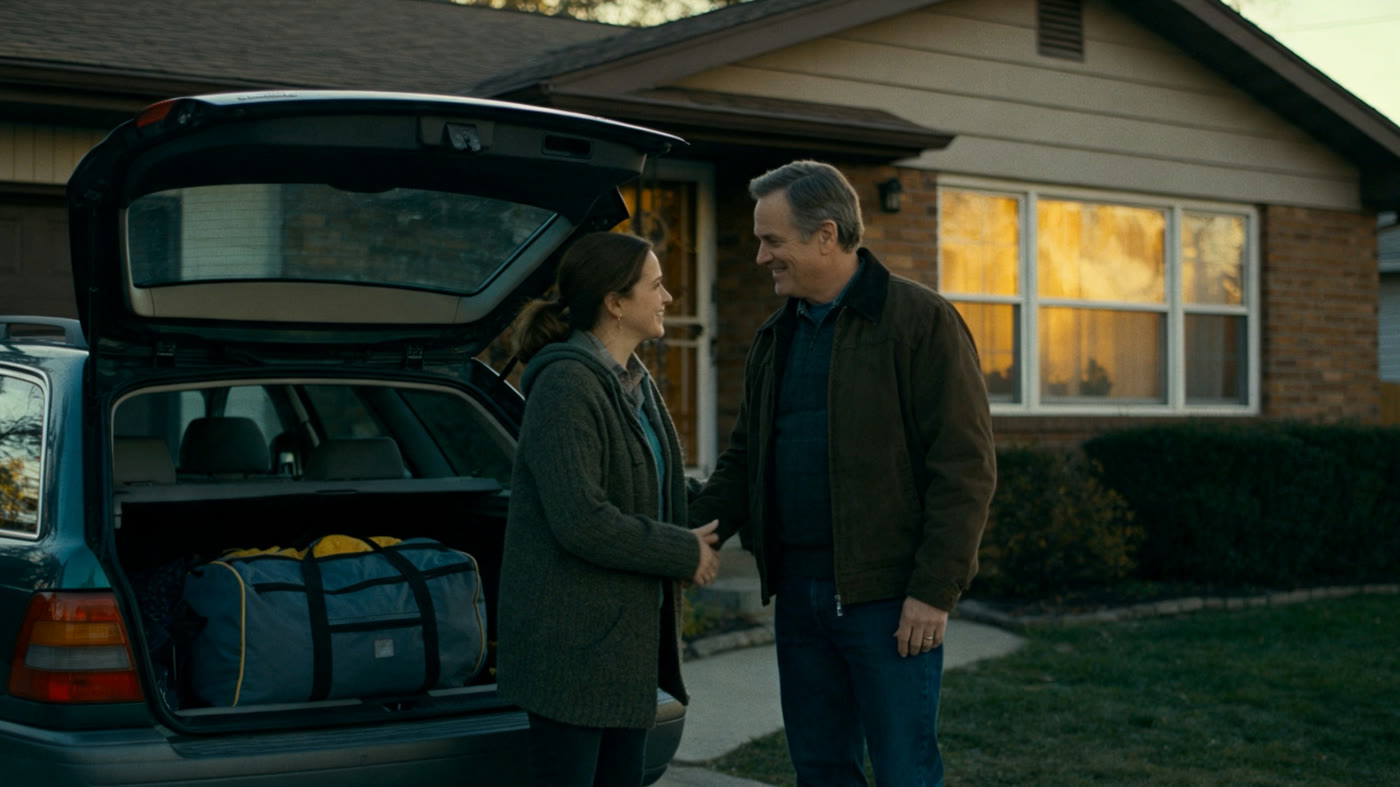
The visit is arranged weeks ahead and dreaded by both sides for reasons neither will say.
The hosts are braced for the house to be inspected. Not consciously — nobody is inspecting anything — but the sensation is real and it arrives on Thursday, along with a sudden urgent need to sort the airing cupboard that no guest will ever open.
The visitors are braced for the opposite problem, which is having nothing to do. They will be in a house that runs on rhythms they do not share, without a car, without a task, with the particular fatigue of being pleasant for eleven consecutive hours.
Both parties want the same thing, which is for it to go well. Neither has ever defined what that would look like.
The structural issue is that a visit has no shape unless somebody gives it one. A normal day is held together by work and errands and the small solitudes people take without noticing. Remove those and you have twelve unstructured hours in which two households must generate continuous mutual enjoyment from scratch. That is a hard brief for anyone, and it fails most reliably in the middle of the second afternoon.
What gets blamed afterwards is a person. She was on edge the whole time. They barely spoke to us. Almost always what actually happened was that hour eight arrived and there was nothing planned, so the room fell back on the only material available, which is old grievance and small talk.
The families that visit each other well are usually not the closest ones. They are the ones that stumbled onto a structure. There is a walk that happens. Somebody always cooks on the Saturday and somebody always washes up. There is a shop that gets driven to. None of it is interesting and all of it is doing an enormous amount of work, because it converts unstructured obligation into a sequence of small shared tasks, which is the only reliable way adults spend long stretches together without friction.
The other underrated move is the stated end time. A visit with a departure hour announced in advance is a different event from one that trails off. Everybody relaxes, because everybody can see the edge of it. Open-ended visits are experienced as generous by the person offering and as indefinite by the person receiving, and indefinite is not a restful thing to be inside.
None of this requires anyone to be closer than they are. It requires the weekend to have a shape, decided by someone, before Thursday.
More in Family
 Family
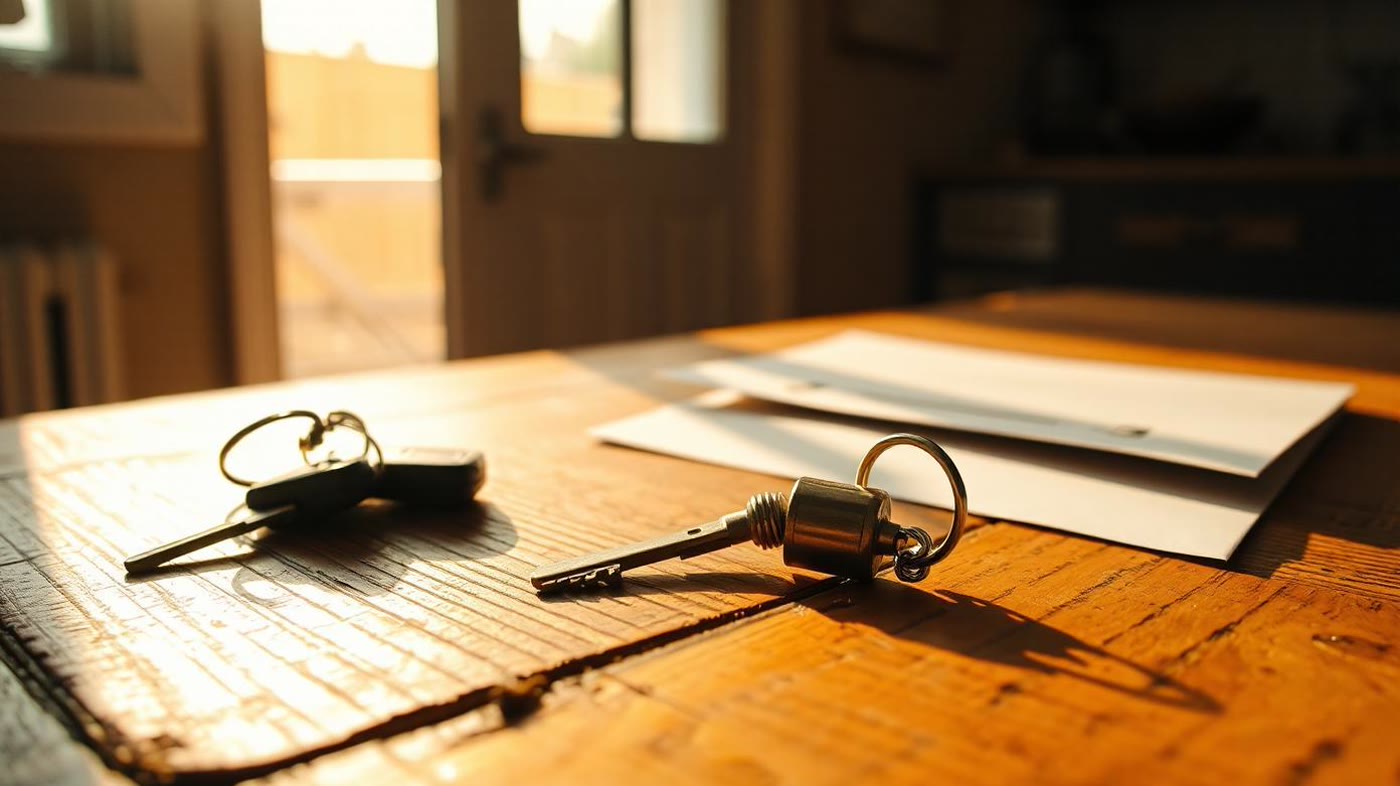
The Second Key Nobody Talks About
Most households have one — a spare key held by a relative — and almost nobody has ever said out loud what the rules around it are.
 Family
What the Family Group Chat Is Actually For
It is not for communication. Watch who posts, who reacts, and who has been silent since March, and a different picture appears.
 Family
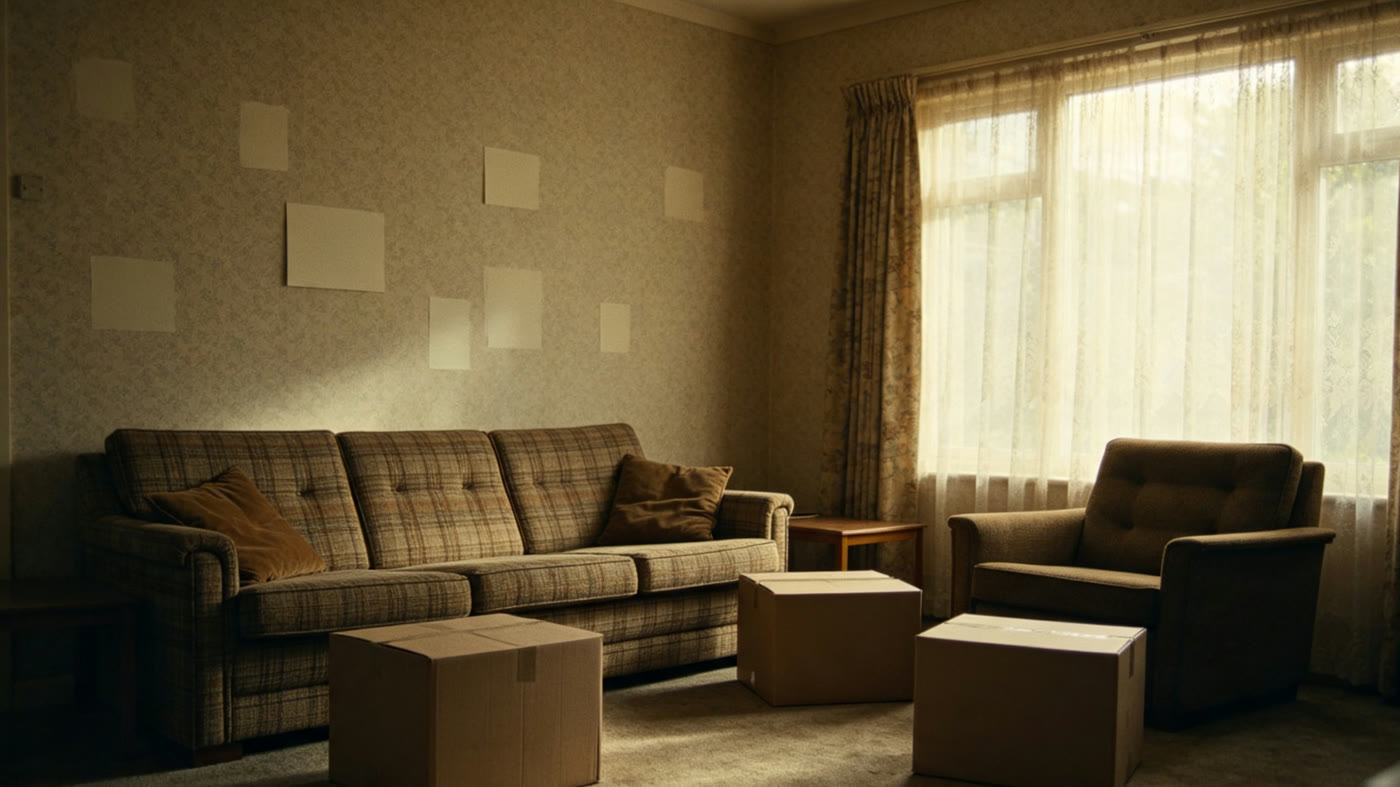
The House Everyone Grew Up In
Siblings rarely fight about the value of the family home. They fight about which version of it they are each remembering.