When a Neighbor Stops Being the Same Neighbor
The bins go out late. The garden goes. The car does not move for a week. Almost everyone notices, and almost everyone waits.
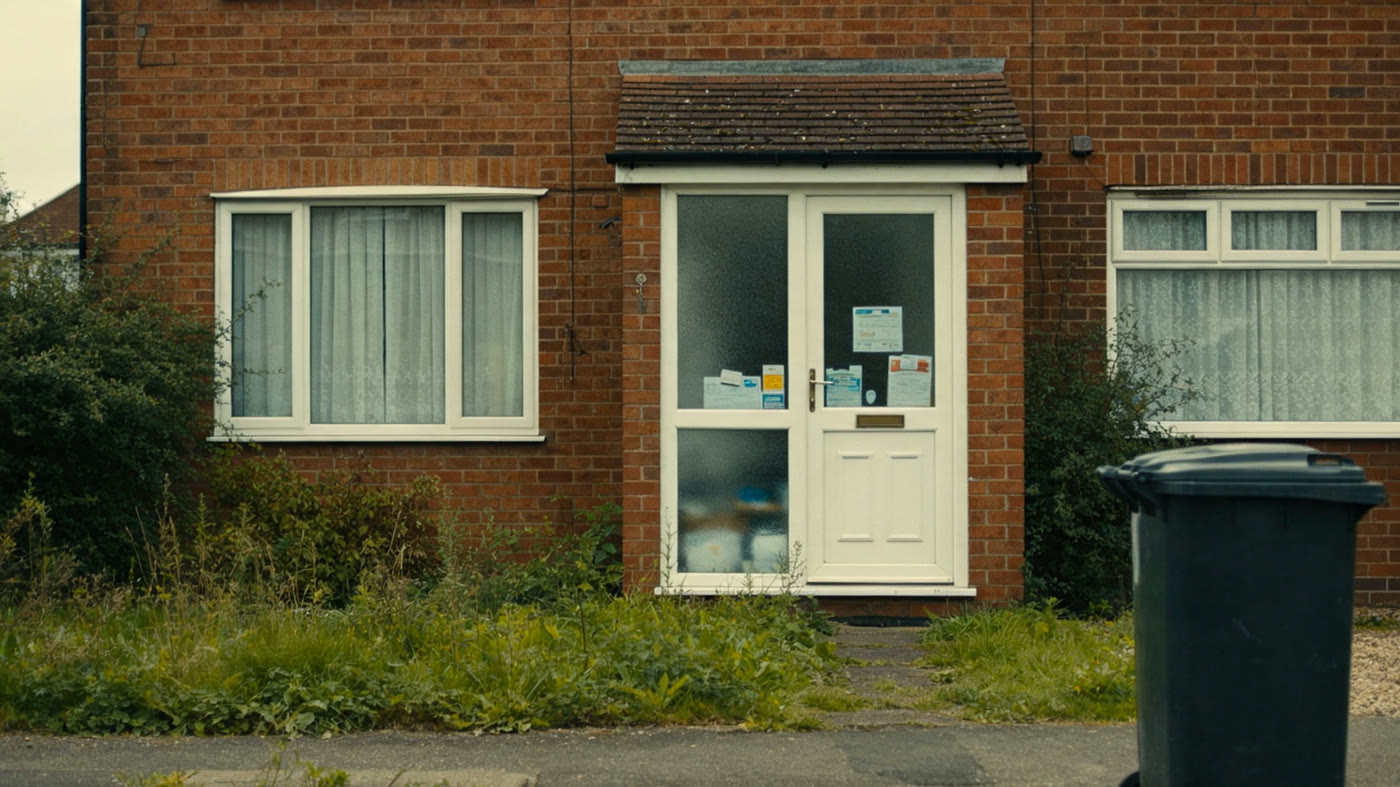
It starts as something you would struggle to describe. The bins going out late, then not at all. A garden that was kept and now is not. A car in the same position for nine days. Post visible through the glass.
Most people on a street notice this within about a fortnight. Very few do anything for another two months, and the reason is almost always the same: fear of intruding on a person who may simply be having a hard time and has a right to have it privately.
That is a real concern and it deserves respect. It is also, at scale, how people end up not being found.
The difficulty is that the two possible explanations require opposite responses and look identical from the pavement. Somebody in a rough patch who wants to be left alone, and somebody in serious trouble who cannot ask, present exactly the same way: quiet house, ignored garden, unanswered door.
Since you cannot tell them apart by looking, the only move available is contact — and the form of the contact decides whether it is intrusive or not.
What is intrusive is a question about the state of them. Are you all right, we've all noticed. That sentence tells a person they have been discussed, and it asks them to account for themselves.
What is not intrusive is contact with an errand attached. I'm going to the shop, do you want anything. I've got a delivery coming Thursday and I'm out, can I use your address. A note through the door with a number on it and one line: no need to reply, just if you ever want anything picked up.
Each of those gives a person a way to answer that is not a confession, and a way to decline that is not a rebuff. And each of them establishes the one fact that matters, which is whether anybody is alive in there.
If there is no response to several of those over a couple of weeks, and there is post building up behind the door, that is the point at which the polite thing and the right thing separate. Every police force has a non-emergency line for exactly this, and they would far rather attend and find someone embarrassed than not be called.
The thing nearly everyone says afterwards, in the cases that end badly, is a version of the same sentence: I did think it was odd. Almost always, several people thought it was odd, at roughly the same time, and each assumed somebody closer would do something.
More in Neighbors
 Neighbors
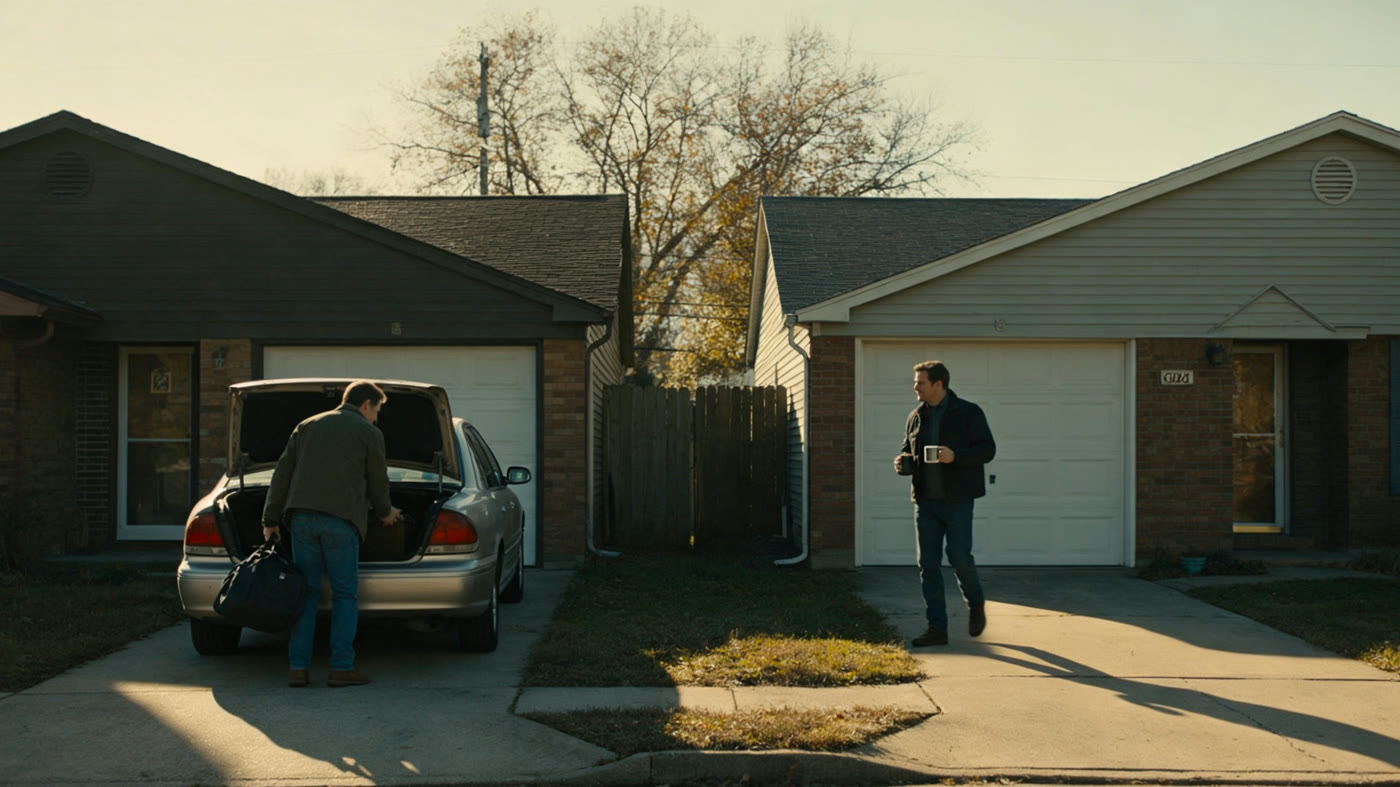
The Neighbor You Have Waved At for Six Years
There is a specific kind of relationship that never progresses past the driveway, and it is more useful than it looks.
 Neighbors
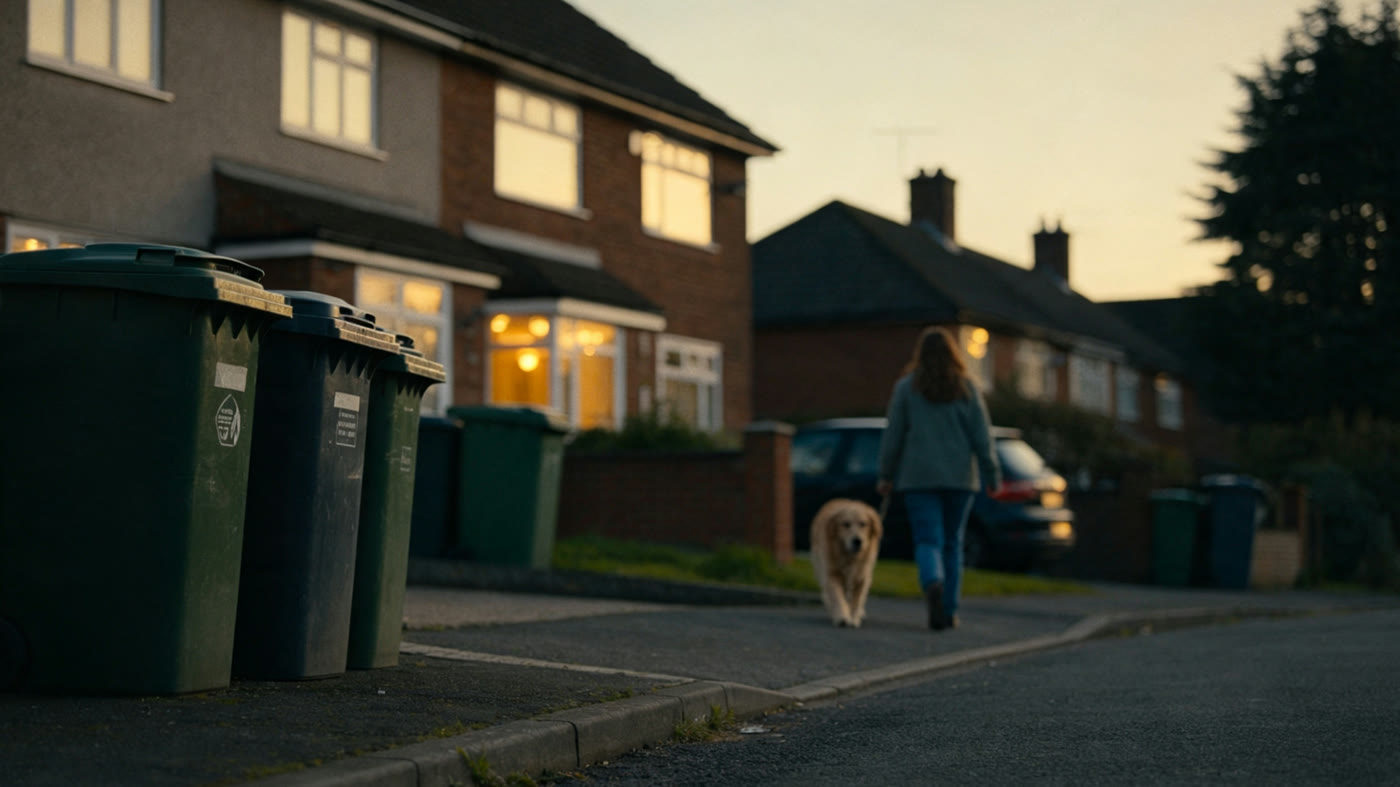
The Street That Notices
Some streets catch things early and some do not, and the difference is almost never how friendly the people on them are.
 Neighbors
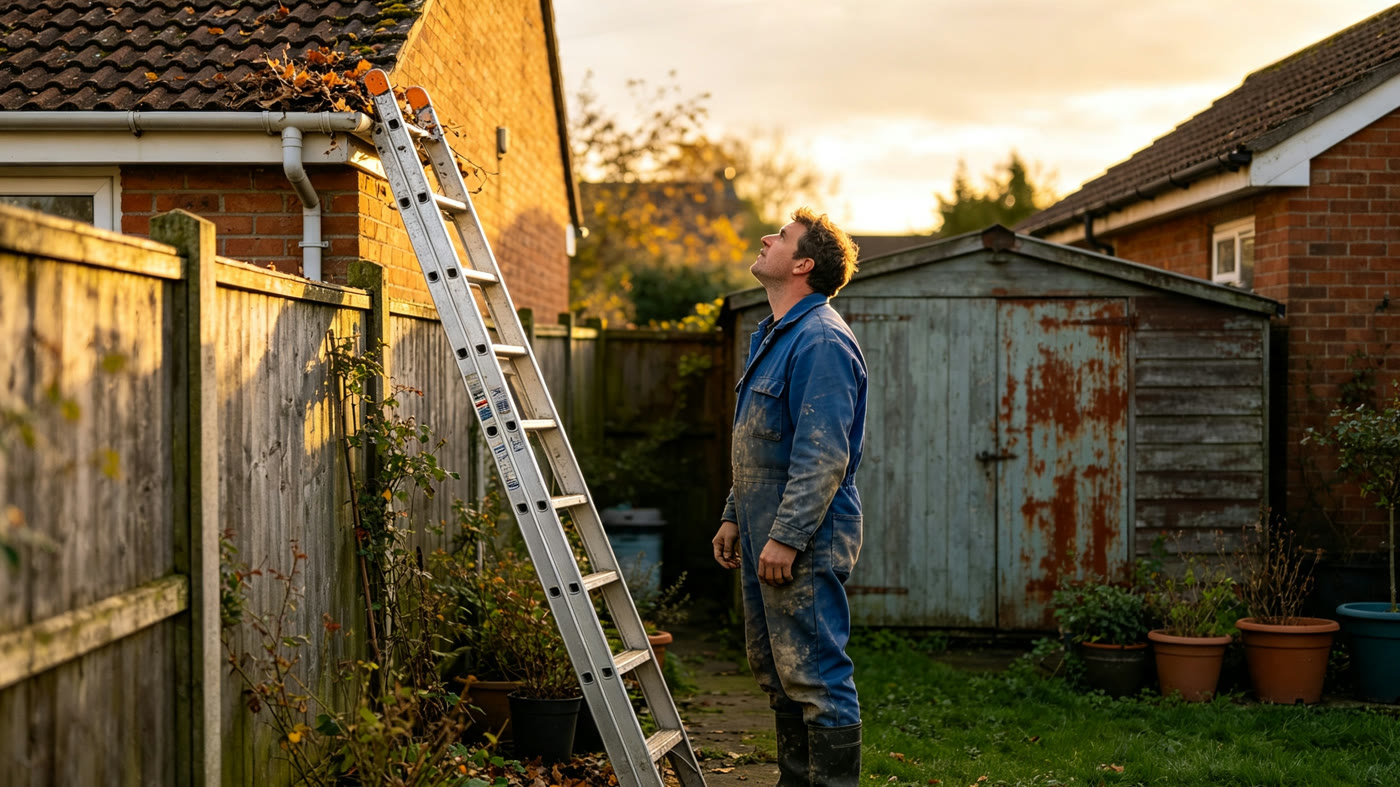
In Defence of Borrowing a Ladder
The most reliable way to start a relationship with a neighbor is to need something small from them, which is exactly why so few people do it.